Home > Guides > Architecture Guides > Richmond > Heritage Property Refurbishment in Richmond upon Thames & South West London: Conservation, Design Ideas & Costs
Heritage Property Refurbishment in Richmond upon Thames & South West London: Conservation, Design Ideas & Costs 2026
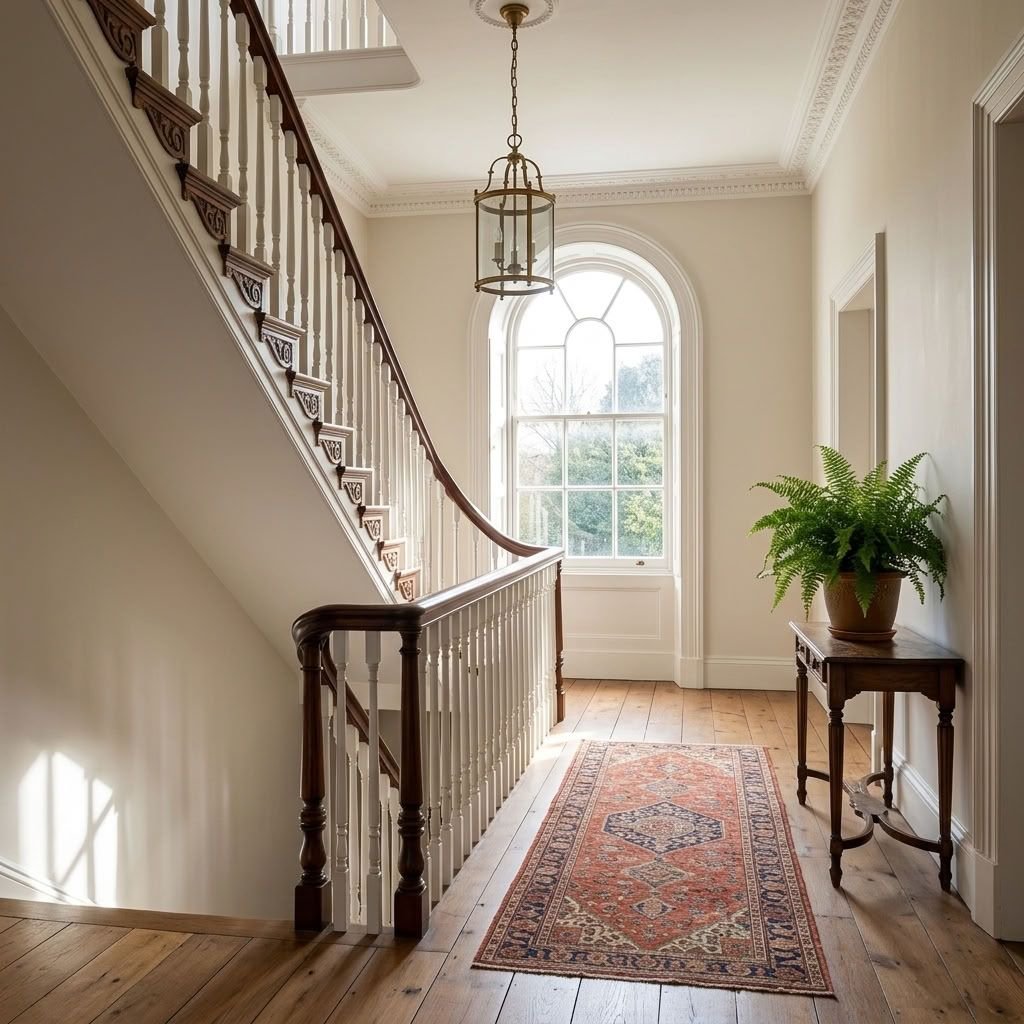
Richmond upon Thames is one of South West London's most architecturally distinctive boroughs. Its streets and neighbourhoods contain Georgian townhouses, Victorian terraces and villas, Edwardian houses, Arts and Crafts properties, period cottages and historic riverside buildings that reflect centuries of architectural development.
Heritage properties can offer qualities that are rarely found in modern construction: generous proportions, original joinery, decorative plasterwork, fireplaces, timber floors, traditional brickwork and carefully crafted architectural details.
However, refurbishing an older property requires more than updating its interiors. The existing building needs to be understood before decisions are made about what should be repaired, retained, altered or extended.
Heritage property refurbishment is therefore a process of balancing conservation, adaptation and contemporary requirements. The objective is to improve the way a property functions while respecting the architectural character and historic fabric that make it distinctive.
This guide explores heritage property refurbishment across Richmond upon Thames and surrounding parts of South West London, including Richmond, Barnes, Kew, Petersham, St Margarets, East Sheen, Mortlake, Ham, Twickenham, Teddington and Hampton, together with neighbouring areas such as Wandsworth, Putney, Wimbledon, Kingston upon Thames, Surbiton and Molesey.
It covers conservation areas, listed buildings, planning considerations, design approaches, materials, energy improvements, refurbishment costs and the common challenges associated with older properties.
Understanding Heritage Properties in Richmond upon Thames
The borough contains a particularly varied collection of period and heritage properties. Some are formally listed because of their architectural or historic interest, while others derive their significance from their location within a conservation area or from their contribution to the character of a particular street or neighbourhood.
Period & Heritage Properties
Details That Define Character
The purpose of refurbishment is not necessarily to preserve every element unchanged. Instead, the design should establish which features contribute most strongly to the character of the property and determine how new requirements can be introduced around them.
Why Heritage Refurbishment Requires a Considered Approach
Older properties were generally designed around construction methods, materials and requirements that differ from those expected today. Refurbishment therefore involves understanding both the existing building and the changes needed to make it work well for contemporary requirements.
A period house may have relatively compartmentalised rooms, limited insulation, ageing electrical and plumbing systems, inefficient heating, older windows or areas that have been altered over several decades.
At the same time, the elements that can make these properties more challenging to adapt are often the same features that give them their character. A successful refurbishment therefore needs to consider both what should change and what should remain.
01 Preserving architectural character
Original fireplaces, windows, doors, mouldings, floors and other architectural details can contribute significantly to the identity and character of a property.
Where appropriate, these features can be retained, repaired or restored as part of the wider refurbishment rather than unnecessarily replaced.
02 Improving functionality
Older layouts can sometimes be reorganised to create better connections between rooms, improve circulation and accommodate contemporary kitchens, bathrooms and other requirements.
The aim is to improve how the property works while taking account of its existing proportions, structure and architectural character.
03 Upgrading building systems
Electrical installations, plumbing, heating and ventilation may require substantial improvement in older properties.
New systems should be planned alongside the wider design so that they can be integrated effectively without unnecessarily affecting important architectural features or historic fabric.
04 Improving energy performance
Carefully selected measures can improve thermal performance and reduce heat loss while respecting the construction and character of the existing building.
Depending on the property, this may involve measures such as improved insulation, draught-proofing, secondary glazing or heating system upgrades. The appropriate approach will depend on the building's construction and heritage significance.
05 Adapting the property for changing requirements
A house may need to accommodate different patterns of use, additional workspace, improved kitchen facilities, better storage or more flexible rooms.
Thoughtful design can help accommodate these changing requirements while retaining the features and qualities that make the property distinctive.
The most successful heritage refurbishments are not necessarily those that preserve everything unchanged. They are projects where new requirements, improved performance and existing architectural character are considered together.
Conservation Areas Across Richmond upon Thames
A significant part of the borough is covered by conservation areas. These are designated because of their special architectural or historic interest, meaning that planning decisions can take account of the character and appearance of the wider area as well as the individual property.
The precise planning position depends on the property, the proposed work and the particular conservation area. An early review of the property's planning and heritage context can therefore help establish the appropriate approach before detailed refurbishment proposals are developed.
Listed Buildings in Richmond upon Thames
Some properties are individually listed because of their special architectural or historic interest.
The national listing grades are:
Grade I – buildings of exceptional interest
Grade II* – particularly important buildings of more than special interest
Grade II – buildings of special interest
Listing can affect both external and internal works.
Depending on the building and the proposed alterations, works may require Listed Building Consent. Examples of changes that may need careful assessment include:
Alterations to historic windows
Changes to doors and joinery
Removal or alteration of fireplaces
Changes to staircases
Structural alterations
Alterations to historic internal layouts
Changes to roofs or external fabric
Being listed does not necessarily mean that a property cannot be altered. Appropriate adaptation can be possible, but proposals need to take account of the building's special architectural and historic interest.
If you are unsure whether a property is listed, the official National Heritage List for England can be searched by address or location.
What Is Heritage Property Refurbishment?
Heritage property refurbishment is the process of improving, repairing, restoring and adapting an older or historically significant building while taking account of its existing architectural character and construction.
Depending on the property, refurbishment can include:
Restoring original architectural features
Repairing structural elements
Upgrading heating systems
Replacing outdated electrical installations
Improving plumbing and drainage
Improving insulation and thermal performance
Repairing windows and doors
Reconfiguring internal layouts
Restoring decorative finishes
Introducing carefully considered contemporary additions
Extending the property where appropriate
Every building presents different opportunities and constraints. A Georgian townhouse may require a very different approach from a Victorian villa, an Edwardian semi-detached house or an Arts and Crafts property.
Key Principles of Heritage Refurbishment
A successful heritage refurbishment starts with an understanding of the existing building and considers how new requirements can be introduced while respecting its architectural character, construction and history.
Understand the existing property first
Before deciding what to remove or add, it is important to understand the building's construction, architectural features, previous alterations and planning context.
Retain important original features
Where original features make a significant contribution to the character of the property, repair and restoration may be preferable to replacement.
Use compatible materials
Traditional buildings often perform differently from modern construction. Materials such as lime mortar, timber and traditional plaster may be more appropriate than modern alternatives in certain circumstances.
Introduce contemporary elements carefully
New kitchens, bathrooms, lighting, heating systems and other interventions do not necessarily need to imitate historic details. They can be contemporary while remaining visually and technically appropriate to the building.
Improve performance without unnecessarily damaging historic fabric
Energy improvements should be considered alongside the construction and condition of the existing building, with measures selected to improve performance while respecting important historic fabric.
Respect the proportions of the property
Room proportions, ceiling heights, window positions, circulation and the relationship between spaces can all contribute to the character of a period house. New interventions should take these qualities into account.
Heritage refurbishment is about understanding what makes a property distinctive and finding an appropriate way to accommodate contemporary requirements around those qualities.
Common Refurbishment Work in Heritage Properties
Heritage refurbishment projects can involve a combination of restoration, repair, modernisation and spatial reconfiguration. The appropriate scope of work depends on the condition, character and requirements of each individual property.
01 Internal restoration
Internal restoration focuses on repairing and retaining original architectural features wherever appropriate. Depending on the property, this may include decorative plasterwork, fireplaces, timber floors, doors, joinery, staircases, cornicing and ceiling details.
02 Structural work
Depending on the condition of the building, refurbishment may involve repairing roof structures, strengthening floors, addressing movement or structural defects, repairing damaged masonry and improving existing structural elements.
The precise approach should be informed by appropriate surveys and structural advice where necessary.
03 Building services
Older properties frequently require improvements to electrical systems, plumbing, heating, hot water, ventilation and drainage.
These systems need to be integrated carefully so that important architectural features and historic fabric are not unnecessarily damaged.
04 Spatial reconfiguration
A refurbishment can also improve how the property is arranged and used. Depending on the building and planning context, this may involve improving circulation, connecting selected rooms, creating a more functional kitchen or improving the relationship between kitchen, dining and garden areas.
Other opportunities can include creating additional storage, reorganising bathrooms and making better use of underused spaces while respecting the property's original character.
The most appropriate refurbishment strategy depends on the existing building, its condition, heritage significance and planning context. Early assessment can help establish which elements should be retained, repaired, adapted or carefully replaced.
Designing Contemporary Interiors Within Heritage Properties
A heritage property does not necessarily need to be furnished or detailed in a purely traditional style.
One approach is to allow the existing building and its original features to provide the architectural framework while introducing contemporary elements where they improve functionality.
This can create a deliberate contrast between old and new.
For example, an original staircase, fireplace or decorative ceiling can remain prominent while a new kitchen, joinery or lighting scheme uses simpler contemporary detailing.
The important consideration is not whether every new element looks historic, but whether the new intervention is appropriate to the building and contributes positively to the overall design.
Designing Contemporary Interiors Within Heritage Properties
A heritage property does not necessarily need to be furnished or detailed in a purely traditional style.
One approach is to allow the existing building and its original features to provide the architectural framework while introducing contemporary elements where they improve functionality.
This can create a deliberate contrast between old and new.
For example, an original staircase, fireplace or decorative ceiling can remain prominent while a new kitchen, joinery or lighting scheme uses simpler contemporary detailing.
The important consideration is not whether every new element looks historic, but whether the new intervention is appropriate to the building and contributes positively to the overall design.
Kitchens and Bathrooms in Heritage Properties
Kitchens and bathrooms are often among the most important areas to consider during refurbishment because they need to accommodate modern equipment, plumbing, ventilation and electrical requirements.
Heritage kitchen design
Kitchens may be introduced or reorganised within:
Existing rear rooms
Former service areas
Lower-ground or basement spaces
Rear extensions
Existing side or ancillary spaces
Traditional materials can be combined with contemporary cabinetry and appliances without attempting to reproduce historic detailing.
Heritage bathroom design
Bathrooms can often be integrated into existing room layouts or underused areas.
Careful coordination is required for:
Plumbing
Ventilation
Drainage
Electrical systems
Waterproofing
Structural alterations
The location of new services should be considered carefully where historic floors, walls or ceilings are involved.
Improving Energy Performance in Heritage Properties
Energy improvement is increasingly important when refurbishing older properties, but the most appropriate solution depends heavily on how the building was constructed.
Potential measures include:
Secondary glazing
Draught-proofing
Loft insulation
Carefully considered floor insulation
Appropriate wall insulation
Improved heating controls
More efficient heating systems
Upgraded hot-water systems
Internal wall insulation, for example, needs careful consideration in traditional buildings because inappropriate materials or detailing can create moisture and condensation problems.
The objective should be to improve thermal performance while maintaining the integrity of the existing construction.
Heritage Materials and Traditional Construction
Material selection can have a significant influence on the success of a heritage refurbishment.
Depending on the existing building, appropriate materials may include:
Lime mortar
Lime plaster
Timber sash windows
Handmade bricks
Natural stone
Traditional render
Solid timber flooring
Traditional joinery
The correct material is not simply the one that looks similar. Compatibility with the existing construction can also be important.
For example, traditional solid-wall buildings may behave differently from modern cavity-wall construction, meaning that repair and insulation strategies need to take account of moisture movement and breathability.
Planning Permission and Heritage Considerations
Planning requirements vary considerably between properties.
Depending on the circumstances, planning permission may be relevant to:
Extensions
External alterations
Roof alterations
Changes to windows
Changes to external materials
New openings
Some works within conservation areas
Other forms of development controlled by local planning policy
Permitted development rights may apply to some residential works, but these rights can be restricted or removed in certain circumstances, including through Article 4 Directions.
Listed properties have an additional layer of consideration because Listed Building Consent may be required for works that affect the building's special architectural or historic interest.
The planning position should therefore be established for the individual property rather than assumed from the age or appearance of the building alone.
Heritage Refurbishment Costs in Richmond upon Thames – 2026
Heritage refurbishment costs can vary substantially depending on the size, condition, complexity and specification of the project.
Light refurbishment
More straightforward refurbishment with relatively limited structural or heritage intervention.
Medium-complexity refurbishment
Projects involving a broader combination of alterations, upgrades, restoration and building work.
Complex heritage refurbishment
More complex heritage or listed-property projects involving significant restoration, alteration or specialist work.
These figures are indicative rather than quotations. The final cost will depend on the individual property, scope of work, specification and construction requirements.
What Can Influence the Final Cost?
Older properties can also contain concealed defects that are difficult to identify fully before opening up the building.
For this reason, establishing the scope of work and understanding the existing property before construction can help reduce uncertainty.
What Are the Main Challenges in Heritage Refurbishment?
Heritage refurbishment can involve issues that are difficult to identify before work begins. Understanding these challenges early can help inform the design, programme and budget.
01 Hidden defects
Older properties can contain concealed defects, previous alterations or deterioration that only becomes apparent during investigation or construction.
02 Planning and heritage constraints
Conservation areas, listed status, Article 4 Directions and local planning policies can affect what can be changed and what approvals may be required.
03 Material sourcing
Repairing historic elements may require specialist materials, traditional techniques or bespoke components that need to be sourced carefully.
04 Integrating modern systems
Heating, ventilation, electrics, plumbing and other services need to be introduced without unnecessarily damaging important historic fabric.
05 Balancing old and new
The design needs to accommodate contemporary requirements while retaining the qualities that make the property distinctive.
06 Budget uncertainty
The condition of an older building can make early cost estimates less certain than they might be for a straightforward new-build project.
Understanding the property's condition, planning context and heritage considerations early can help establish a clearer route from initial ideas to a considered design.
Why Appoint an Architectural Designer or Architecture Firm Early?
For a substantial heritage refurbishment, early design involvement can help establish what is possible before significant expenditure is committed to construction.
An experienced architectural designer or architecture firm can help to:
Assess the existing property
Identify architectural and heritage considerations
Review planning constraints
Develop an overall refurbishment strategy
Explore extension opportunities
Improve internal layouts
Consider how modern services can be integrated
Coordinate structural and specialist advice
Prepare planning and heritage applications where required
Develop technical design information
Establish a clearer project scope
Provide information that can assist with contractor pricing
The earlier these questions are considered, the more opportunity there is to resolve design and planning issues before they become expensive changes during construction.

Planning a project of your own?
Explore how we approach residential architecture, what our services involve and how we help clients make informed decisions from the outset.
Artist of Architecture
Our approach, services and fees.
Can Artist of Architecture Help With a Heritage Refurbishment?
Yes, Artist of Architecture works with homeowners and property clients on heritage refurbishment, renovation and residential design projects across Richmond upon Thames and the wider South West London area.
Projects range from Georgian townhouses in Richmond and period properties in Richmond Hill and Petersham to Victorian and Edwardian homes in Barnes, Kew, East Sheen, Mortlake, St Margarets, Twickenham, Teddington, Hampton and Ham. The practice also works across neighbouring areas including Putney, Wandsworth, Wimbledon, Kingston upon Thames, Surbiton and Molesey.
Whether the project involves a listed property, a home within a conservation area or a period property without formal heritage designation, the approach begins with understanding the building, its architectural character, its planning context and the client's requirements.
Depending on the project, services can include early feasibility, architectural design, planning, heritage considerations, design development, technical information and coordination with structural and specialist consultants.
The aim is to develop a considered design that respects the existing property while creating spaces that are practical, comfortable and appropriate for contemporary requirements.
Heritage Refurbishment Across Richmond upon Thames & South West London
The architectural character of the area varies considerably from one neighbourhood to another.
Richmond and Richmond Hill contain substantial historic properties alongside later residential development. Kew and Petersham include distinctive period and riverside properties, while Barnes, East Sheen and Mortlake contain a mixture of Victorian, Edwardian and earlier homes.
Twickenham, Teddington and Hampton contain a broad range of period houses, cottages and larger properties, while neighbouring areas such as Putney, Wandsworth, Wimbledon, Kingston upon Thames, Surbiton and Molesey provide their own architectural and planning contexts.
For each property, the appropriate refurbishment strategy depends on the building itself, its setting, its condition and the nature of the proposed work.
01 Richmond & Richmond Hill
Richmond and Richmond Hill contain substantial historic properties alongside later residential development. The area includes period houses and properties with distinctive architectural features, with some locations also subject to conservation and heritage considerations.
Heritage refurbishment projects may involve the restoration of original features, improvements to internal layouts, discreet upgrades to building systems and carefully considered alterations that respond to the character of the property and its setting.
02 Kew
Kew contains a varied collection of period properties, including Victorian, Edwardian and earlier homes, as well as buildings with distinctive historic character.
Refurbishment proposals may involve restoring original windows, joinery and decorative features, improving internal arrangements or introducing contemporary services while responding carefully to the property's planning and conservation context.
03 Barnes, East Sheen & Mortlake
Barnes, East Sheen and Mortlake contain a mixture of Victorian, Edwardian and earlier homes, together with distinctive riverside and period properties.
Heritage refurbishment can range from restoring original architectural details and upgrading building services to carefully reconfiguring internal spaces. The appropriate approach depends on the individual property, its surroundings and any applicable conservation or planning requirements.
04 Petersham & Ham
Petersham and Ham contain period properties within particularly distinctive historic and landscape settings. The relationship between the building, surrounding streetscape and wider landscape can be an important consideration when planning refurbishment works.
Projects may involve restoring historic features, improving internal functionality or upgrading services while taking account of the property's setting and any relevant heritage, conservation or planning considerations.
05 Twickenham
Twickenham contains a broad range of period houses, cottages and larger properties, including Victorian, Edwardian and earlier homes with distinctive architectural features.
Heritage refurbishment projects may include restoring original detailing, improving room layouts, upgrading building systems or introducing carefully considered extensions and alterations. The planning context should be established before detailed proposals are developed.
06 Teddington & Hampton
Teddington and Hampton contain a broad mixture of period houses, cottages, larger properties and later residential development, with architectural character varying considerably between individual streets and properties.
Refurbishment opportunities can include restoring original features, improving internal arrangements, upgrading energy performance and integrating contemporary services while respecting the character of the existing building.
07 Putney & Wandsworth
Putney and Wandsworth contain a wide variety of Victorian, Edwardian and earlier residential properties, together with later development. Individual neighbourhoods have their own architectural character and planning context.
Heritage refurbishment projects may involve restoring period details, improving layouts, upgrading building services or making carefully considered alterations to suit contemporary requirements while respecting the existing property.
08 Wimbledon
Wimbledon contains a varied collection of period properties, including Victorian and Edwardian houses, larger historic residences and properties within areas of distinctive architectural character.
Refurbishment proposals should respond to the existing building and its setting, with planning, conservation and heritage considerations assessed alongside the proposed design and scope of work.
09 Kingston upon Thames & Surbiton
Kingston upon Thames and Surbiton contain a broad range of Victorian, Edwardian, period and later residential properties, including houses with original architectural features that may benefit from sensitive refurbishment.
As these areas fall outside Richmond upon Thames, the relevant local authority policies and planning context should be established for each property before detailed design work begins.
10 Molesey
East and West Molesey contain a mixture of period properties, cottages and later residential development, with individual buildings presenting different opportunities and constraints for refurbishment.
Heritage and period property projects may involve restoring original features, improving internal layouts, upgrading building systems or making carefully considered alterations. The applicable planning authority and local policies should be checked for each property.
The architectural character, condition, planning position and opportunities for change can vary considerably from one property to another. A site-specific assessment is therefore an important starting point when considering heritage refurbishment or alterations to a period property.
Considering a heritage refurbishment?
Artist of Architecture can help you understand the potential of your property and establish an appropriate design and planning approach.
FAQs: Heritage Property Refurbishment: Conservation, Costs & Planning
Frequently asked questions about refurbishing period and heritage properties across Richmond upon Thames and surrounding areas of South West London.
What is heritage property refurbishment in Richmond upon Thames?
Heritage property refurbishment is the careful process of restoring, improving and adapting historic homes while respecting their original architectural character. It can involve upgrading the structure, interiors and building systems while retaining features such as sash windows, cornicing, fireplaces, decorative plasterwork and traditional brickwork.
Why is heritage refurbishment important in Richmond upon Thames?
Richmond upon Thames contains many period properties and a number of conservation areas. Heritage refurbishment can help preserve architectural character while improving functionality, energy performance, comfort and long-term usability without unnecessarily removing historic fabric.
What types of heritage properties are found across Richmond upon Thames?
The borough contains a wide range of historic and period properties, including Georgian townhouses, Victorian terraces and villas, Edwardian houses, Arts and Crafts properties, period cottages, early suburban homes and historic riverside properties. Many retain features such as high ceilings, timber floors, decorative detailing, fireplaces, original windows and traditional external materials.
What is a conservation area?
A conservation area is an area designated because of its special architectural or historic interest. Additional planning controls may apply to alterations within these areas because the character and appearance of the wider streetscape are considered as part of the planning process.
Richmond upon Thames contains a number of conservation areas, including areas around Richmond, Kew, Petersham, St Margarets, East Sheen, Barnes, Ham, Twickenham and other parts of the borough.
Is my property listed?
You can check whether a property is a nationally listed building using Historic England's official National Heritage List for England (NHLE) .
The register allows you to search by address or location and view the property's listing entry and grade, including Grade I, Grade II* or Grade II where applicable.
Being outside the national list does not necessarily mean that a property has no heritage or planning constraints. A property may still be located within a conservation area, affected by an Article 4 Direction or subject to other local planning policies.
What is a listed building in Richmond upon Thames?
A listed building is a property recognised for its special architectural or historic interest and included on the National Heritage List for England. Listed buildings are generally classified as Grade I, Grade II* or Grade II.
Alterations to a listed property may require Listed Building Consent in addition to any planning permission that may be necessary. The requirements depend on the nature and extent of the proposed work.
Do I need planning permission for heritage property refurbishment?
Planning permission may be required depending on the proposed work and the property's planning context. Extensions, certain external alterations, changes to windows and other works may require permission, particularly where conservation area controls, Article 4 Directions or other restrictions apply.
Listed properties can also require Listed Building Consent. The specific property and proposed works should therefore be assessed before design development or construction begins.
What is an Article 4 Direction?
An Article 4 Direction can remove specified permitted development rights from a property or area. This can mean that planning permission is required for certain alterations that might otherwise be possible without a planning application.
The restrictions depend on the particular Article 4 Direction and the type of development covered by it.
What does heritage property refurbishment include?
Heritage refurbishment can include restoring original features, repairing structural elements, upgrading heating and electrical systems, improving insulation, reconfiguring layouts and introducing carefully considered contemporary interventions.
The approach should respond to the character and condition of the individual property rather than applying the same solution to every historic building.
What materials are commonly used in heritage refurbishment?
Depending on the property, appropriate materials may include lime mortar, timber sash windows, handmade bricks, natural stone, traditional plaster finishes and solid timber flooring.
Material choices should consider the original construction, existing fabric, visual character and technical requirements of the building.
How can energy efficiency be improved in a heritage property?
Energy performance can often be improved through measures such as secondary glazing, appropriate insulation, draught-proofing, loft insulation and more efficient heating systems.
The appropriate approach depends on the construction and heritage significance of the property. Improvements should be carefully considered so that historic materials and important architectural features are not unnecessarily compromised.
What are common refurbishment works in heritage homes?
Common works include restoring decorative plasterwork, repairing fireplaces, refinishing timber floors, upgrading electrical and plumbing systems, improving structural stability, repairing windows and reconfiguring internal layouts to improve flow and usability.
How much does heritage property refurbishment cost in Richmond upon Thames?
Indicative refurbishment costs can range from approximately £600–£1,200 per m² for lighter work, £1,200–£2,400 per m² for medium-complexity refurbishment and £2,400–£5,000+ per m² for more complex or heritage projects.
Actual costs depend on the property's condition, specification, structural requirements, materials, planning constraints, specialist work and the overall scope of the project. These figures should therefore be treated as indicative rather than a quotation.
What are the main challenges in heritage property refurbishment?
Common challenges include concealed structural problems, planning and heritage constraints, sourcing appropriate materials, coordinating modern services with existing construction and managing budget uncertainty caused by conditions that may only become apparent once work begins.
How do you modernise a heritage property without losing its character?
A considered approach usually involves identifying which original features and characteristics should be retained, repairing or restoring them where appropriate and introducing modern interventions carefully.
New spaces, materials and building systems can then be integrated in a way that improves functionality and performance while respecting the architectural character of the existing property.
Can kitchens and bathrooms be added or redesigned in heritage properties?
Yes. Kitchens and bathrooms can often be incorporated or redesigned as part of a wider heritage refurbishment. Careful planning is required to accommodate plumbing, ventilation, electrical systems and structural requirements while protecting important historic features.
Should I appoint an architectural designer before choosing a contractor?
For many substantial heritage refurbishment projects, involving an architectural designer or architecture firm early can help establish the overall scope, investigate planning and heritage constraints, develop the design and coordinate technical requirements before contractor pricing.
Having clearer design information at an early stage can also make it easier to understand the likely extent and cost of the proposed work.
Why work with an architecture firm on a heritage refurbishment?
A specialist design team can help assess the existing property, understand its architectural character, investigate planning and heritage requirements and develop an appropriate refurbishment strategy.
An architecture firm can also coordinate planning applications, technical information and specialist consultants where required, helping to bring the different aspects of a complex refurbishment together.
Can Artist of Architecture help with a heritage property refurbishment?
Yes. Artist of Architecture works with homeowners and property clients on heritage refurbishment, renovation and residential design projects across Richmond upon Thames and the wider South West London area.
This includes projects in Richmond, Barnes, Kew, Petersham, St Margarets, East Sheen, Twickenham, Teddington, Hampton and surrounding areas, as well as locations such as Wandsworth, Putney, Wimbledon, Kingston upon Thames, Surbiton and Molesey.
We can assist with early feasibility, architectural design, planning, heritage considerations, technical design and coordination through the relevant stages of a project.
Which areas of South West London have heritage properties?
Heritage and period properties can be found throughout Richmond upon Thames, including Richmond, Barnes, Kew, Petersham, St Margarets, East Sheen, Twickenham, Teddington, Hampton and surrounding areas.
Period and heritage properties are also found across neighbouring parts of South West London and Surrey, including Wandsworth, Putney, Wimbledon, Kingston upon Thames, Surbiton and Molesey. Each area has its own planning context, conservation considerations and architectural character.
Planning Heritage Property Refurbishment?
Heritage property refurbishment is not simply about making an older house look new. It is about understanding the existing building and finding an appropriate way to repair, improve and adapt it.
A successful project can retain original architectural features while introducing better layouts, upgraded services, improved energy performance and carefully considered contemporary spaces.
Whether the property is a Georgian townhouse in Richmond, a Victorian villa in Barnes, an Edwardian house in Twickenham, a period property in Teddington or a heritage home elsewhere across South West London, the same principle applies: understand the existing building first, then design around what makes it distinctive.
With careful investigation, appropriate materials and a considered architectural approach, heritage properties can be adapted to meet contemporary requirements while retaining the architectural qualities that give them their identity.
If you are considering a heritage property refurbishment in Richmond upon Thames or South West London, Artist of Architecture can help you explore the opportunities, constraints and appropriate design approach for your property. Enquire now.
For Heritage building refurbishment,
Book a free consultation with us to discuss your project.
Richmond
Twickenham
Teddington
Hampton
Barnes
Putney
About this page
Prepared by Vladis, Director at Artist of Architecture. Responsible for residential design, planning strategy and project delivery across extension, loft conversion and new-build schemes. Over 10 years’ experience preparing planning applications, permitted development submissions and building regulations packages with local planning authorities.
Last updated: 2026
Disclaimer: The information on this website is provided for general informational purposes only and does not constitute legal, planning, architectural, or professional advice. Planning requirements, costs, and timescales can vary depending on the property, project, and site-specific circumstances. While every effort has been made to ensure accuracy, no guarantee is given that the information is complete, current, or applicable to your situation. For advice specific to your property and project, please contact Artist of Architecture directly.